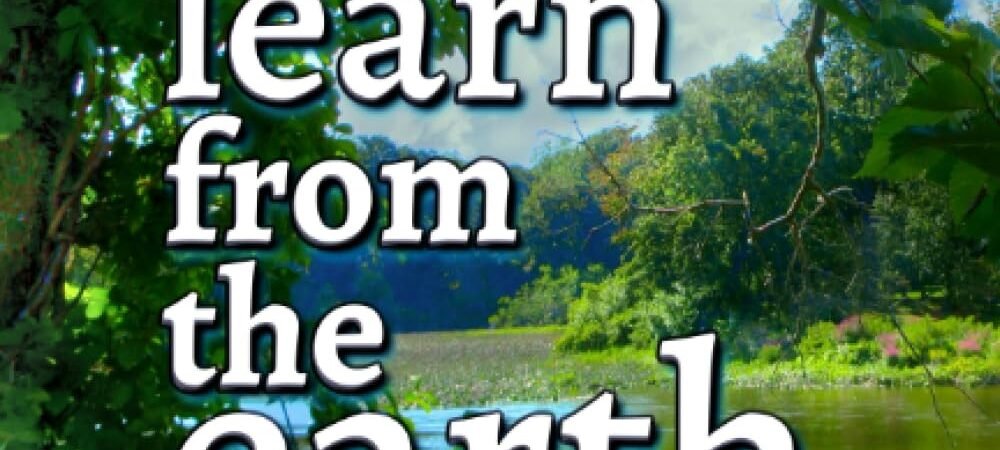
May We Learn from the Earth: Nature Poems and Reflections on the Environment
Robert J. Tiess | Self-published | July 2023
⭐⭐⭐⭐ (4/5)
There is a particular kind of nature writing that doesn’t just describe the natural world but argues for it quietly, that is without a raised voice, through the patient accumulation of image and observation. Robert J. Tiess works in this mode. May We Learn from the Earth is his second poetry collection, following The Humbling and Other Poems, and it arrives with the clarity of someone who has spent decades paying close attention to the world outside.
The collection is structured as a journey from Earth, the Beautiful through to Earth, the Besieged tracing a path from wonder to concern that mirrors the arc of ecological awareness itself. Mountains, rivers, forests, coastlines: Tiess moves through them all with a lyrical steadiness that resists both sentimentality and alarm. His poems are accessible without being simple, and environmentally urgent without being didactic.
Where the book genuinely distinguishes itself, however, is in its prose sections. Tucked at the back of the collection is a series of short reflective essays on nature, ecology, and ecopoetry and these are where Tiess is at his most compelling. They think. They make connections between the poems and the wider ecological moment in ways the poems alone don’t always achieve. For readers who come to this book from biology, conservation, or environmental science rather than from literary poetry, the essays provide a satisfying anchor. They feel less like supplementary material and more like the intellectual backbone the collection was built around.
The poems themselves are classical in sensibility formal, careful, more concerned with clarity than with surprise. This is a strength and, occasionally, a limitation. Tiess’s language is clean and his imagery precise, but some poems settle into pleasantness a little too comfortably, stopping short of the sharper emotional register that the subject of environmental loss can demand. Readers who prefer their ecopoetry with more rawness the confrontational directness of a Robinson Jeffers, say may find the overall tone measured to a fault.
That said, May We Learn from the Earth is a collection with genuine intellectual purpose. It includes a glossary of ecological terms, curated reading suggestions, and resource lists practical tools that signal Tiess’s real goal: not simply to write beautiful poems about nature, but to move readers toward greater environmental literacy. As an introduction to ecopoetry for someone who has never encountered the form, it may be one of the better entry points available.
Recommended for: Nature lovers, environmental educators, readers new to ecopoetry, and anyone looking for a thoughtful, unhurried companion to the outdoors.
Get the book: May We Learn from the Earth on Amazon
Affiliate Disclosure: This post contains affiliate links. If you purchase through my link, I may earn a small commission at no extra cost to you. See my full Affiliate Disclosure for details.