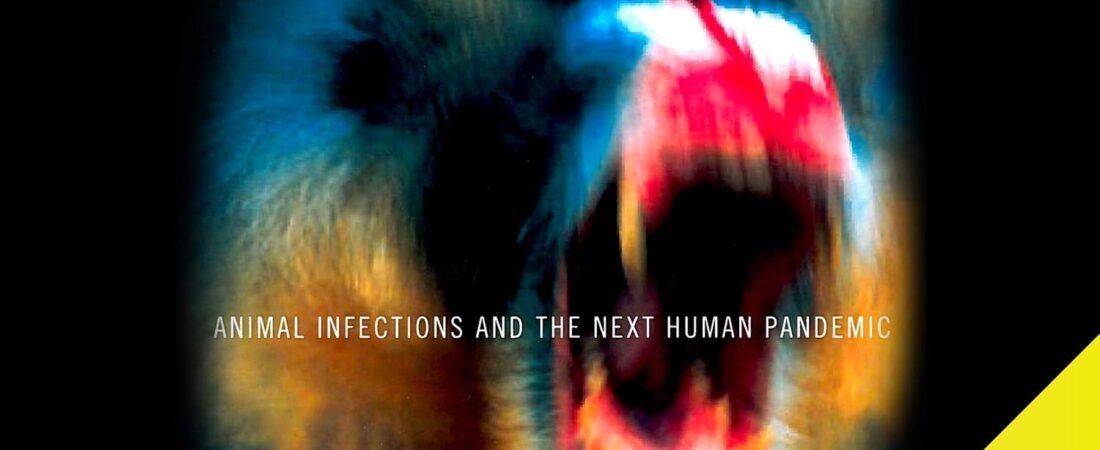
Spillover: Animal Infections and the Next Human Pandemic
David Quammen | W. W. Norton & Company | 2012
⭐⭐⭐⭐ (4/5)
There is a particular kind of fear that comes from understanding something too well. David Quammen’s Spillover produces exactly that feeling, not through sensationalism, but through the slow, methodical accumulation of scientific fact. By the time you reach the final chapters, the emergence of a global pandemic does not feel like a possibility. It feels like a matter of when.
Published in 2012, Spillover arrived nearly a decade before COVID-19 made zoonotic disease a household concept. Quammen had already done the work tracing Ebola through the forests of the Congo, following SARS to its origins in Chinese wet markets, unpacking the chilling chain of events that connected a single Cameroonian chimpanzee to the global AIDS epidemic. For five years he followed scientists to a rooftop in Bangladesh, a forest in the Congo, a Chinese rat farm, and a suburban woodland in New York, and through high-bio-security laboratories. The result is one of the most important works of science journalism of the past two decades.
The Science of Host-Jumping Done Right
What makes Spillover exceptional particularly for readers with a background in disease ecology or wildlife biology is the thoroughness with which Quammen handles the science of host-jumping. The mechanics of zoonotic spillover are genuinely complex: a pathogen must not only breach the species barrier but establish sustained transmission in a new host population. Quammen explains this with a clarity that never condescends, walking the reader through reservoir hosts, amplifying hosts, and the ecological disturbances — deforestation, habitat encroachment, the human-wildlife interface that make spillover events increasingly likely. For anyone who has worked at that interface, whether in the field or the laboratory, the science will feel both familiar and newly urgent seen through Quammen’s lens.
Storytelling at the Human-Wildlife Interface
The book traces Hendra, mar-burg, SARS, avian influenza, Lyme disease, and the origins of AIDS with equal care, and the cumulative effect is sobering. These are not isolated incidents. They are expressions of a single pattern — one that accelerates as human populations push deeper into wild habitats and as wildlife and domestic animals increasingly share space. Quammen is not the first to make this argument, but he may be the most compelling narrator it has found.
Where Spillover occasionally strains is in its length. At nearly 600 pages, some chapters extend longer than necessary, and readers less invested in the granular field reporting may find the pace uneven in places. Quammen’s literary ambition is clear , this is science writing that wants to be read as literature and it mostly succeeds, though not always consistently across such a large canvas.
A Warning We Didn’t Heed
That said, Spillover belongs on the shelf of anyone serious about understanding how diseases emerge, how ecology shapes human health, and why the boundaries between wild and domestic worlds matter more than most people realize. It was a warning if read before COVID but read after, it is something more uncomfortable since it’s a record of what we were told and didn’t listen to.
Recommended for: Wildlife biologists, disease ecologists, public health readers, and anyone who wants to understand the science behind pandemic emergence — told by one of the finest science writers working today.
Get the book: Spillover by David Quammen on Amazon
Affiliate Disclosure: This post contains affiliate links. If you purchase through my link, I may earn a small commission at no extra cost to you. See my full Affiliate Disclosure for details.